

Botox in Your 40s: How It Helps with Deeper Wrinkles and Fine Lines
Table of Contents
In your 40s, expression lines often start looking more noticeable, with frown lines, crow’s feet, and forehead creases lingering even when your face is at rest. Botox offers a simple, proven way to soften those changes by relaxing the muscles that keep etching lines into the skin, helping you look smoother, more refreshed, and less tired without surgery or a drastic change to your appearance.
How does Botox help with wrinkles in your 40s?
Botox helps soften deeper forehead lines, frown lines, and crow’s feet by relaxing the muscles that keep creasing the skin. It is a simple way to look smoother, more refreshed, and less tired without surgery or downtime.
Why Wrinkles Often Look More Noticeable in Your 40s
The facial aging process becomes more visible in your 40s. This is because the skin does not recover the way it once did. In earlier years, repeated facial movement might leave temporary lines that fade quickly.
Over time, collagen production slows, skin elasticity declines, and those same repeated expressions begin leaving marks that stay longer. Sun exposure, stress, and lifestyle habits can add to that change.
This is when dynamic wrinkles and fine lines often start crossing into a more constant stage. Dynamic wrinkles are the lines created by movement, like smiling, squinting, or frowning. As the skin loses resilience, those lines can remain visible even at rest.
- Forehead creases may look deeper.
- The vertical lines between the brows may start giving the face a more serious expression.
- The delicate area around the eyes can show crow’s feet more easily, especially in bright light or photos.
That shift is one of the main reasons people start exploring when to start Botox for aging. For many, the answer turns out to be their 40s, when the balance between prevention and correction starts to matter more.
How Botox Works on Deeper Wrinkles and Fine Lines
Botox is a prescription injectable that temporarily relaxes targeted facial muscles. When those muscles move less forcefully, the skin above them is not folded as often or deeply. That reduction in repetitive movement allows expression lines to soften and helps prevent them from becoming more pronounced.
In your 40s, this can be especially helpful for areas like frown lines, crow’s feet, and botox for forehead wrinkles. These are the places where years of expression tend to leave the clearest marks. Botox does not fill the skin or change facial structure. It simply reduces the muscle activity that contributes to etched-in lines.
That distinction is essential. Patients in this age group often get the best results when they understand what Botox is designed to do. It works well for motion-related wrinkles. It can soften lines that have already set in, but it may not erase every crease completely if the skin has thinned or the line has become deeply established.
Even so, less muscle pull can make a meaningful difference in how smooth and rested the face appears.
What Botox Can Improve in Your 40s
The most common treatment areas in this decade are the upper face. These regions tend to respond well since they are heavily influenced by repetitive actions.
Botox for forehead wrinkles is renowned for softening the horizontal lines that form when you raise your brows. A well-planned treatment can smooth those creases without making the forehead look stiff.
The area between the brows is another common focus because frown lines can make someone look upset, stressed, or fatigued even when they feel perfectly fine. Around the eyes, crow’s feet often become more visible as skin texture changes, making Botox a useful option for a gentler, less crinkled look when smiling.
For many patients, the benefit goes beyond individual lines. The face can look less tense overall. Expressions still read naturally, but the stronger pull that exaggerates age-related creasing is reduced.
All things considered, Botox continues to be one of the most requested options for people looking for a non-surgical anti-aging treatment that does not involve downtime or a dramatic change in appearance.
Why Starting in Your 40s Can Still Make a Big Difference
Some patients assume that Botox only works best if started earlier. This is not true. While younger patients may use it more preventively, many first consider it in their 40s since that is when the lines become difficult to overlook. Starting now can still offer a visible improvement and help keep current wrinkles from getting deeper.
Questions about when to start Botox for aging often come from people worried they missed the ideal window. In reality, the right timing depends more on what you see in your own face than on a fixed age. If expression lines are lingering, makeup is settling into creases, or your face looks more tired than you feel, treatment may be worth considering.
This stage of life often calls for thoughtful dosing, not aggressive correction. Too much product can flatten expression, while careful placement can preserve movement and soften the look of age-related tension. That balanced approach is why experienced injectors matter so much.
Botox as a Non-Invasive Option for Age-Related Changes
Many patients in their 40s want results, but they do not want surgery, a long recovery, or anything that looks obvious. Botox fits that preference well. It is widely chosen as a non-invasive wrinkle treatment with Botox in Pacifica, CA, because appointments are quick, discomfort is minimal, and most people return to normal activities the same day.
As one of the most established forms of wrinkle relaxer injections, Botox offers a focused way to address expression-related aging without changing the structure of the face. It can be part of a broader plan, but it is also often effective on its own for upper-face concerns.
What to Expect from Treatment
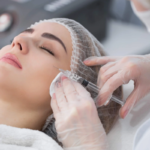
A Botox appointment is usually straightforward. After a consultation, the injector evaluates facial movement and maps out the muscles responsible for the lines being treated. Small injections are then placed into targeted areas. The process is quick, and most patients describe it as very manageable.
Results do not appear instantly. Changes often begin within a few days, with fuller results becoming visible around two weeks after treatment. The face generally looks smoother and more rested, not drastically altered. Results are temporary, which is one reason many patients appreciate the flexibility. Follow-up treatments can help maintain improvement over time.
For those focused on treating fine lines and wrinkles in your 40s, the best outcome usually comes from realistic expectations, conservative technique, and a provider who understands how facial expression and aging interact
Jaruda Aesthetics for non-invasive wrinkle treatment with Botox in Pacifica, CA.
For patients considering non-invasive wrinkle treatment with Botox in Pacifica, CA, Jaruda Aesthetics offers an approach centered on individualized care and clinical experience. No two faces age in exactly the same way, which is why personalized planning matters. At Jaruda Aesthetics, treatment is tailored to the patient’s goals, facial movement, and areas of concern rather than using a standard, one-pattern approach.
Smooth wrinkles with expert Botox care – Book now!
Frequently Asked Questions
Is Botox a good option for deeper wrinkles in your 40s?
Yes, Botox can help soften deeper expression lines in your 40s by relaxing the muscles that keep creasing the skin.
How does Botox help with forehead lines and frown lines?
Botox for forehead wrinkles and frown lines works by reducing repeated muscle movement, so those lines look smoother and less pronounced.
Can Botox treat crow’s feet in your 40s?
Yes, Botox can soften crow’s feet by relaxing the small muscles around the eyes that create those fine lines during smiling and squinting.